Why Is My Hot Water Rusty or Discoloured? What Brown Hot Water Means
You go to run a bath, and what comes out of the tap has a brown or rust coloured tinge. The first thought is usually that something has gone wrong with the water supply to the whole house.
Almost always, it has not. Brown hot water is a symptom with a short list of causes, and the town water is rarely one of them. When the colour shows on the hot tap, and nowhere else, the water is picking something up on its way through the storage tank.
That distinction matters, because the tank is telling you where it is up to. Catch it early, and it is often a straightforward repair. Leave it long enough, and the same warning becomes a replacement.
Why Is My Hot Water Brown? The Short Answer
If only the hot side is affected, the water is picking up rust or sediment inside the storage tank. The most common cause is a sacrificial anode that has done its job and worn away, leaving the steel tank exposed and free to corrode. The other is years of fine sediment on the tank floor being stirred up and carried out with the flow.
What matters is how far along it has gone. Caught early, a worn anode can often be replaced and the tank saved. Left alone, the same colour warns that the tank itself is corroding, and a corroding tank eventually leaks. Down to Earth Plumbing Maintenance sees this regularly on electric units across Lake Macquarie and Newcastle, and the age of the system usually settles which situation you are in. Brown water is only one of the ways a hot water system tells you something is wrong, and you can see where it sits among the rest in
Hot Water System Not Working? A Plumber's Complete Troubleshooting Guide
Hot Water Brown but Cold Water Clear? What That Narrows It Down To

If the cold tap runs clear and the hot tap does not, the storage tank is the culprit. Cold water travels from the mains straight to the tap and never enters the tank, while hot water sits in there for hours between uses. The tank is the one thing in the path that cold water misses, so it is the one thing that can be adding colour.
The reverse tells you just as much. Where both taps run brown, the cause is either the mains supply or the pipework in the house. Mains-related colour usually clears after a few minutes of running. Colour that keeps showing on both sides, day after day, points to the water service itself, which around here often means old galvanised pipe.
What Actually Turns Hot Water Brown
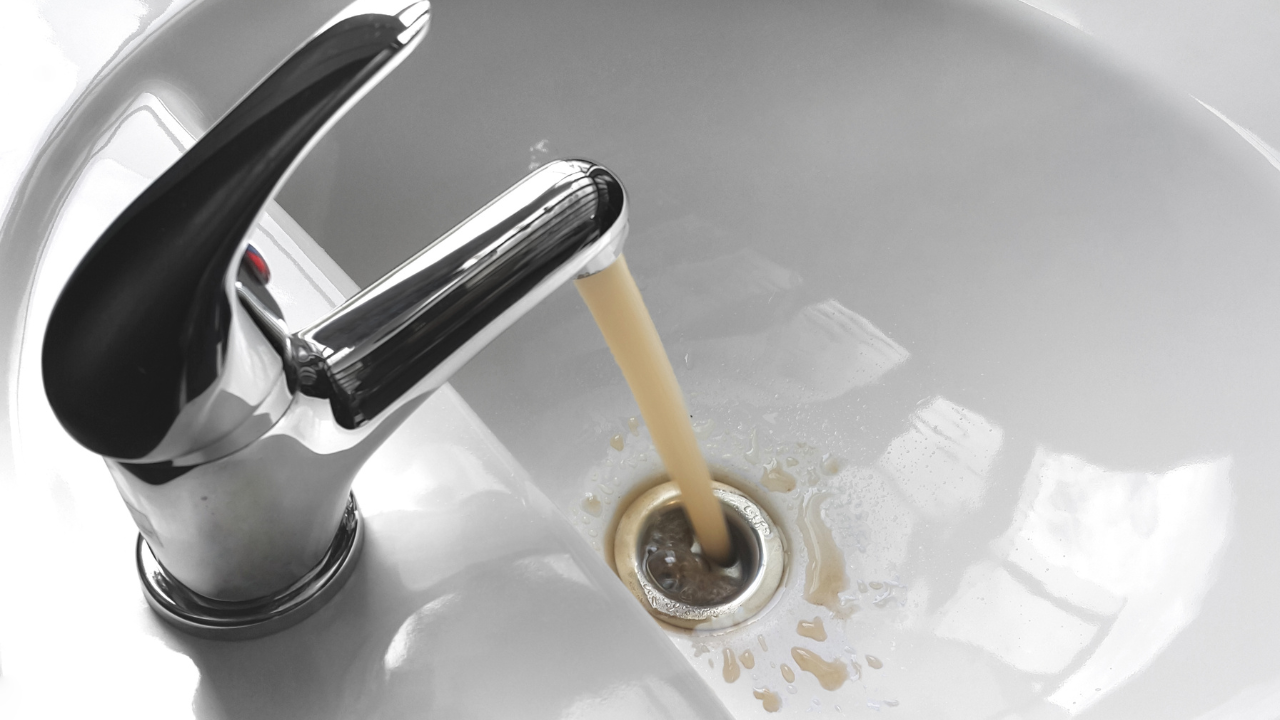
The list is short, and each cause leaves a different fingerprint.
A spent sacrificial anode
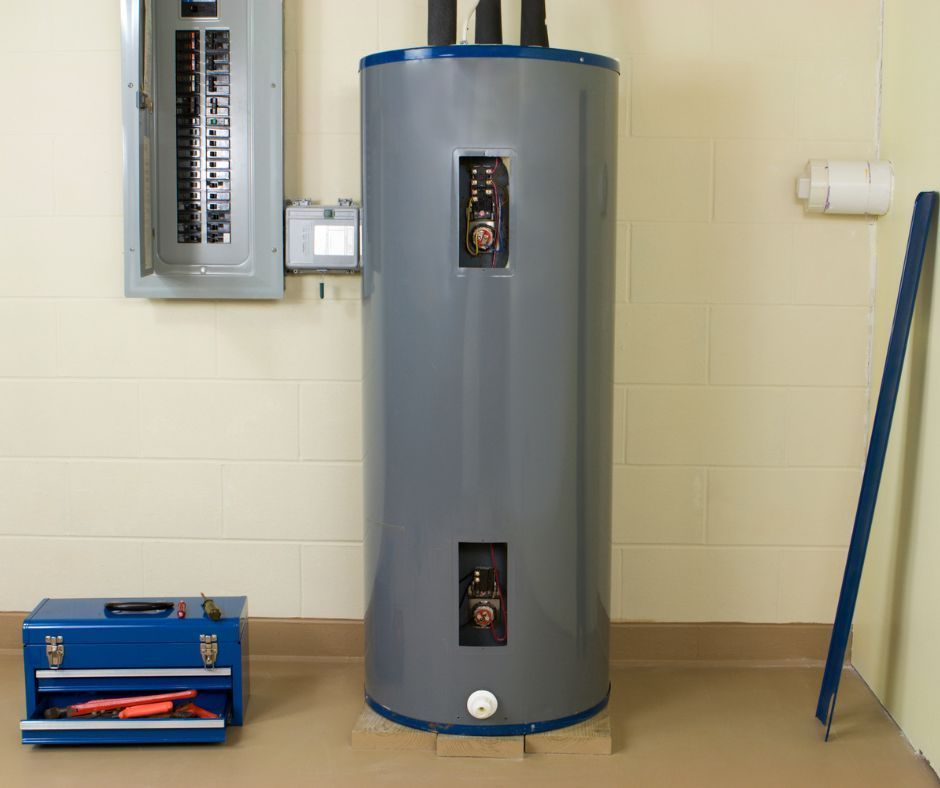
Inside every electric storage hot water system sits a rod made of a metal that corrodes more readily than the steel around it. That is not a design flaw; it is the entire point. The rod is there to be sacrificed, so the corrosion happens to it instead of to your tank.
It does not last forever. Once the rod has gone, nothing is protecting the steel, and rust starts reaching the tap. Oddly enough, this is the good news outcome, because a worn anode caught early can be replaced and the tank goes on. The signs it is time to replace the hot water anode are worth knowing before any colour shows up.
The same worn rod causes the rotten egg smell people get on the hot side only, so colour and smell together usually share one fix. If it is the smell bothering you more than the colour, there is more on it in Why Does My Hot Water Smell Like Rotten Eggs?.
Rust inside the tank itself
Where the anode has been gone a long time, tank corrosion has moved from the rod to the tank wall. This is not a repair; it is a countdown. A tank corroding from the inside gets thinner and eventually perforates, which is when a leaking hot water system becomes the problem instead.
Sediment build up on the tank floor
Fine mineral particles settle out of the water and collect on the bottom of the tank over years, and normal heating cycles stir them back up again.
Sediment has a tell. The colour is worse on the first draw of the day, or after the hot water has sat unused, and it often clears while the tap keeps running. Sediment brings company, too: rumbling from the unit, longer reheat times, and running costs creeping up as the build-up insulates the element from the water it is meant to be heating.
Old galvanised or corroded pipework
Look here when both hot and cold are affected, or when some taps are discoloured, and others are not. Galvanised steel water service corrodes internally and sheds rust into the flow, and plenty of the older housing stock around the lake still has the original run. Some homes also had C-grade copper installed, which develops pinhole leaks. Replacing with B-grade copper or plastic is the long-term answer.
A disturbance in the mains supply
Work on the water main, a hydrant nearby, or heavy rain can put colour in the supply for a while. This affects hot and cold equally and clears on its own. The disqualifier is simple: if it is still there tomorrow, it was not the mains.
A brand new system
A newly installed unit can run slightly cloudy for the first few draws as installation residue clears. Still happening after that, and it is not residue.
The quick version:
hot side only points at the tank. Both sides point at the pipes or the mains. Worse on first draw, and clearing as it runs suggests sediment. Constant suggests rust. Gone by tomorrow was the mains all along.
What the Colour & Timing Are Telling You
Not every bit of colour means the same thing, and one of them is not a problem at all. This is roughly how brown hot water and its relatives sort out.
| What you are seeing | Most likely cause | How urgent |
|---|---|---|
| Brown or rust coloured, hot tap only | Tank corroding, or a spent anode | Book it in, not an emergency |
| Orange or red tinge, hot tap only | Iron from corrosion, often further along | Get it assessed soon |
| Yellow or tea coloured, hot tap only | Disturbed sediment on the tank floor | Worth a service, low urgency |
| Cloudy or milky white, clears from the bottom up | Dissolved air, completely harmless | No action needed |
| Black flecks or grit | Deteriorating rubber or seal material | Get it looked at |
| Brown on both hot and cold | Main disturbance or corroding pipework | Wait a day, call if it persists |
That cloudy white one catches people out more than any other. Pour a glass and watch it. Clearing from the bottom upward means air coming out of solution, and there is nothing wrong with your water.
Is Rusty Hot Water Safe to Shower In or Drink?
The honest answer is calmer than most of what gets written about this. The colour is iron oxide, and the Australian guidelines set the limit for iron on aesthetic grounds rather than health grounds. As the NHMRC guideline on iron in drinking water states, no health-based guideline value has been set for iron at all. What high iron does do is give water a rust-brown look and stain laundry and fittings.
Showering in it is not the concern people fear. The sensible limits still apply: do not drink it or cook with it while it is discoloured, and keep it out of the washing machine, because it will mark your clothes. If the water is discoloured, smelly and off temperature all at once, stop using it and get the unit assessed.
The reason to act is not that anyone is about to fall ill. It is that the tank is telling you it is corroding, and that path ends with water where you do not want it.
The Two-Minute Check Before You Call a Plumber
None of this is a repair. It is information gathering, and every answer makes the visit quicker.
- Run a cold tap and compare. Same colour, or is the cold running clear? This one question splits the problem in half.
- Watch the first draw against the fifth minute. Does it clear as the water keeps running, or stay the same throughout?
- Try more than one tap. Kitchen, bathroom, laundry. Every tap or just one changes what is likely.
- Look and listen at the unit. Rumbling while it heats, rust streaks down the outside, any damp patch on the ground underneath.
- Find the age of the system. There is usually a compliance plate or an installation sticker on the side with a date on it.
Leave the tank alone beyond looking at it. Draining and flushing a storage unit means hot water under pressure and the relief valve, and it is licensed work in NSW for good reason. Have those five answers ready when you ring, and it is usually enough to know what is likely before anyone turns up.
How Matt Diagnoses & Fixes Discoloured Hot Water
The first job on site is confirming the fault really is on the hot side, because that decides whether this is a hot water job or a water service job. From there it is the unit: age, condition, rust on the outside, the state of the base and connections, and any dampness underneath.
Where the unit allows it, the anode comes out for a look, and that single check answers most of the question. A rod with life left in it and a sound tank means a new anode and a flush. A rod long gone, on an older unit with rust showing through, means the steel has been unprotected for years.
Not every hot water fault is a plumbing fault. Where the problem turns out to be the element, the thermostat or the wiring, I will find it and tell you what it is, but an electrician does that work.
What I look at first: the age of the unit, then the anode. Nine times out of ten, those two things have answered the repair-or-replace question before I have opened a toolbox.
When a replacement is the right call, sizing comes first: how many people are in the house, when everyone showers, whether it is a rental or the family home. Getting that wrong is how people end up running out of hot water in a brand-new unit. And wherever the site allows, the new one goes in off the ground rather than straight onto damp concrete.
Anode Replacement or a New System?
There is a real decision here, and it is worth understanding rather than just being handed an answer.
Keeping the tank and replacing the anode makes sense when the unit is under about ten years old, the colour comes and goes rather than showing every time, there are no leaks or damp patches underneath, and the tank walls are sound. The anode has worn out on schedule, and the steel has been protected the whole time.
A new system is the call when there is rusty hot water every single time you run the tap, visible rust on the outside of the tank, dampness or pooling underneath, a unit well past its working life, or a fault where the parts are no longer made.
Worth saying plainly: an anode replacement on a very old unit can be money spent on borrowed time. If that is the situation, you will hear it, rather than being sold the cheaper job because it is easier to say yes to. Larger jobs get a free quote first, and there is 10% off labour with a valid NSW Seniors Card.
Where a replacement is the answer, Rheem is usually the recommendation, for the warranty and for the stainless steel option that earns its money in salt air. If you are trying to work out whether yours is near the end, the warning signs are set out in
How Long Does a Hot Water System Last? Signs Yours Is on the Way Out.
Why Coastal Homes Around Lake Macquarie & Newcastle See Rust Sooner
Salt air is hard on hot water units, and around here it reaches almost all of them eventually. Anything within a few streets of the water corrodes faster than the same unit would inland, and a storage tank is a large steel object sitting outside for a decade or more.
The bigger issue is what it stands on. A tank sitting directly on the ground or on damp concrete rusts from the outside in as well as the inside out, and it fails years earlier than it should. That is why new units go in off the ground wherever the site allows, and why relocating a badly positioned one is sometimes worth doing. Whether it is worth moving your own unit is a question in its own right, and it is weighed up in Should You Relocate or Raise Your Hot Water System?
Then there is the housing stock. Plenty of homes between Swansea, Belmont and Newcastle still have their original galvanised water service, and those pipes produce discoloured water entirely independently of the tank. Where a house has both an ageing unit and ageing pipework, working out which one is responsible is half the job.
How to Keep Discoloured Water From Coming Back
Regular servicing is the whole game, because a worn anode caught on a service visit is a cheap part. That same anode found two years later, after the tank has been unprotected the entire time, is a new hot water system.
A service means checking and replacing the anode where it needs it, flushing sediment out of the base of the tank, and looking over the valves, connections and general condition of the unit. Anything on its last legs gets flagged at the time, so you can budget rather than find out on a cold morning. There is more in the guide to essential hot water maintenance.
One honest limitation. Maintenance works ahead of the damage, not after it. Once the tank wall has corroded, no amount of servicing puts steel back.
Conclusion
Discoloured hot water is not the emergency it looks like coming out of the tap. It is a warning, and the thing it warns about a tank that eventually splits and empties itself into wherever it happens to be standing is very real. The gap between the two is the time you have to deal with it cheaply.
So if the hot tap is running brown and the cold is running clear, the storage tank is where the answer is. Give Matt a call on
0422 131 555 for a look at the unit, or the hot water page for Lake Macquarie covers repairs, replacements and relocations in more detail.
Key Takeaways
- Colour on the hot tap only means the storage tank is the source, because cold water never passes through it.
- The usual root cause is a sacrificial anode that has worn away, leaving the steel tank unprotected and free to corrode.
- Sediment colour is worse on the first draw and clears as the tap runs. Rust colour stays constant.
- Rust in water is an appearance and staining problem rather than a health one, but it is a serious warning about the tank.
- Caught early, it is often an anode replacement and a flush. Left alone, it becomes a new system, or a burst tank and water damage.
Frequently Asked Questions
Why is my hot water brown but my cold water is clear?
Because cold water never enters the storage tank. It runs from the mains straight to the tap, while hot water sits in the tank for hours. If the hot side is the only side affected, the tank is the only thing that could be adding rust or sediment.
Can I shower in brown hot water?
In most cases, yes. The colour is iron oxide, which the Australian guidelines treat as an appearance and taste issue rather than a health one. Do not drink it or cook with it while it is discoloured; keep it away from the washing machine because it stains, and get the unit assessed.
Why has my hot water suddenly gone brown overnight?
A sudden change usually means sediment has been disturbed inside the tank, or the corrosion has reached a new stage. Note anything else that changed at the same time, such as new noises, a damp patch underneath, or a drop in hot water pressure.
Do I need a new hot water system if the water is discoloured?
Not automatically. On a younger unit with a sound tank, it is often a spent anode, and replacing it with a flush sorts things out. Where the colour shows every time you run the tap on an older unit, the tank is usually corroding, and replacement is the sensible call.
What is a sacrificial anode and why does it matter?
It is a rod inside the tank made from a metal that corrodes more readily than the steel around it, so the corrosion happens to the rod instead of the tank. While it lasts, the tank is protected. Once it has gone, the tank starts rusting, and that rust ends up in your water.
Can I flush my hot water system myself?
It is not a homeowner's job. Flushing a storage tank means hot water under pressure and the temperature and pressure relief valve, and getting it wrong can scald someone or damage the unit. In NSW, plumbing work requires the right licence, and hot water systems fall under that.
Why does my hot water smell as well as look rusty?
A rotten egg smell that only shows on the hot side usually traces back to the same worn anode reacting with bacteria in the water. When colour and smell arrive together, they generally share a cause, and often a single fix, which is explained in full in Why Does My Hot Water Smell Like Rotten Eggs?.
My hot water system is brand new, and the water looks discoloured. Is that normal?
Briefly, yes. Installation residue can show in the first few draws after a new unit goes in, and it clears on its own. If it's still discoloured after that, the system should be checked.
How long does an electric hot water system usually last?
It depends on water quality, how hard the unit works, and whether the anode has ever been replaced, so no single number fits every house. The warning signs matter more, because a unit heading for the end tends to announce it well before it fails, and those signs are laid out in [Cluster post: How Long Does a Hot Water System Last? Signs Yours Is on the Way Out
Do you service my area?
Down to Earth Plumbing Maintenance covers Lake Macquarie and Newcastle, broadly from Gwandalan, Catherine Hill Bay and Nords Wharf through to Newcastle, and from Sandgate, Fletcher and Cameron Park across to Toronto. If you are not sure whether your suburb falls in that stretch, ring 0422 131 555 and ask.

Recent Posts