Top 5 Most Common Real Estate Plumbing Problems You Must Know
Your tenants are due to pick up the keys tomorrow, and your phone lights up: “The bathroom drain’s backing up and the toilet’s gurgling.” Suddenly, those “little” real estate plumbing problems are threatening your hand-over, your reputation and your weekend.
Plumbing touches every part of a property deal, from rental income and vacancy periods to sale negotiations, disclosure and even legal liability. In Lake Macquarie’s coastal, often rain-soaked climate, blocked stormwater lines, corroded old copper pipes and failing hot water systems are more than an annoyance; they're a genuine risk to owners, agents and tenants.
This guide is designed to give agents, property managers, owners, buyers and sellers a clear context on common real estate plumbing issues, what to look for, why they matter in property and how to respond before a minor drip turns into a flooded hallway.
If you’re an agent, property manager, owner, buyer or seller in Lake Macquarie, read on.
Why Real Estate Plumbing Issues Matter So Much in Lake Macquarie
Financial Risks for Owners and Managers
Emergency plumbing call-outs and unresolved leaks quickly become expensive, turning simple fixes into major repairs and driving up water bills. For property managers, frequent plumbing issues in real estates also mean longer vacancies, rent reductions and stressed cash flow, making proactive inspections and regular servicing far more cost-effective than last-minute fixes.
Sale & Purchase Implications
Buyers quickly notice things like slow drains, stains or low water pressure, and hidden real estate plumbing issues can lead to price drops, extra contract conditions or even lost sales. Sellers and agents who are upfront, with quotes and inspection reports ready, build trust and make the property feel safer and more attractive than one with unknowns behind the walls.
Legal, Compliance & Tenant Implications
Landlords must keep properties safe and respond quickly to urgent plumbing issues like serious leaks, blocked toilets and burst pipes, or risk complaints, rent reductions and tribunal action. Council plumbing and drainage rules mean unapproved DIY work can create costly compliance problems, so agents and owners should take tenant reports seriously and use licensed plumbers as part of their duty of care.
Common Plumbing Problems in Real Estate
#1: Blocked Drains & Sewer Backups
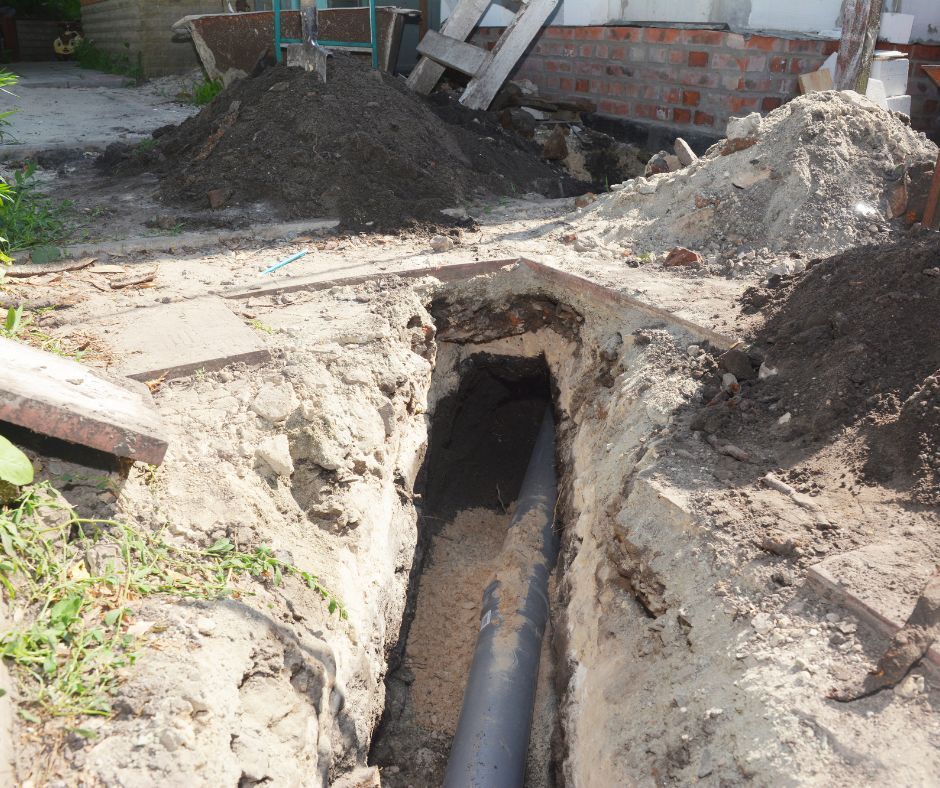
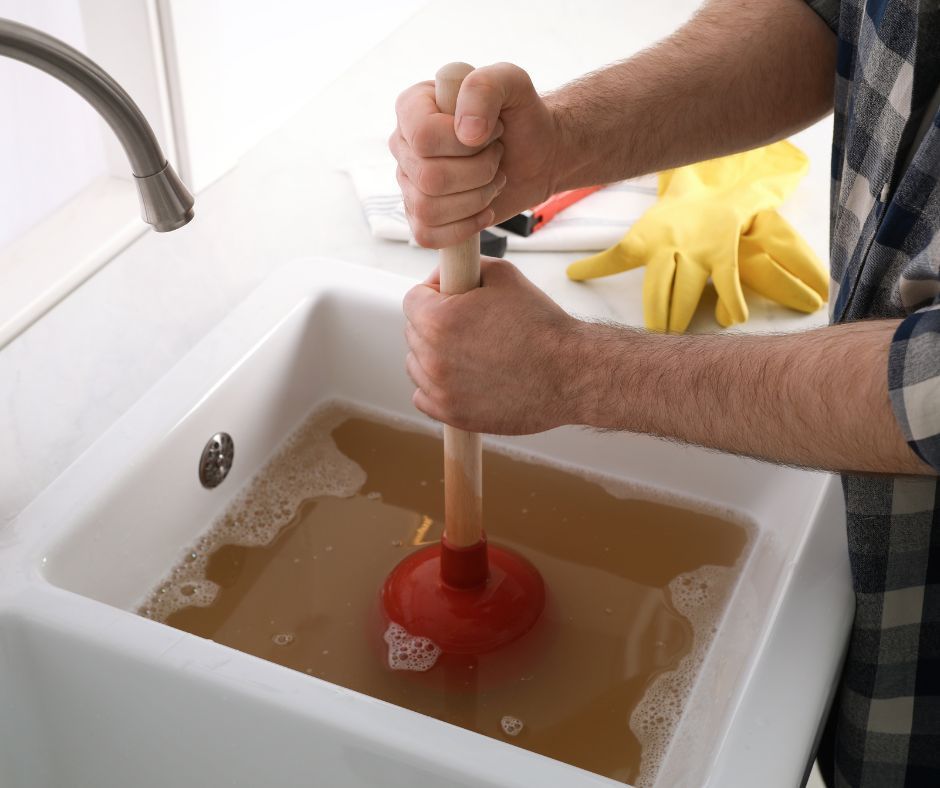
Older sewer lines, tree roots, wet wipes, grease and bathroom products often cause blockages, showing up as slow drains, gurgling, rising toilet water and sewer smells, especially after heavy rain. If several fixtures are affected or there’s overflow outside, it’s no longer a DIY job and needs a licensed plumber with CCTV and high-pressure jetters to clear the line and prevent sewage backing up into the property.
#2: Leaking Taps, Pipes, Showers & Toilets
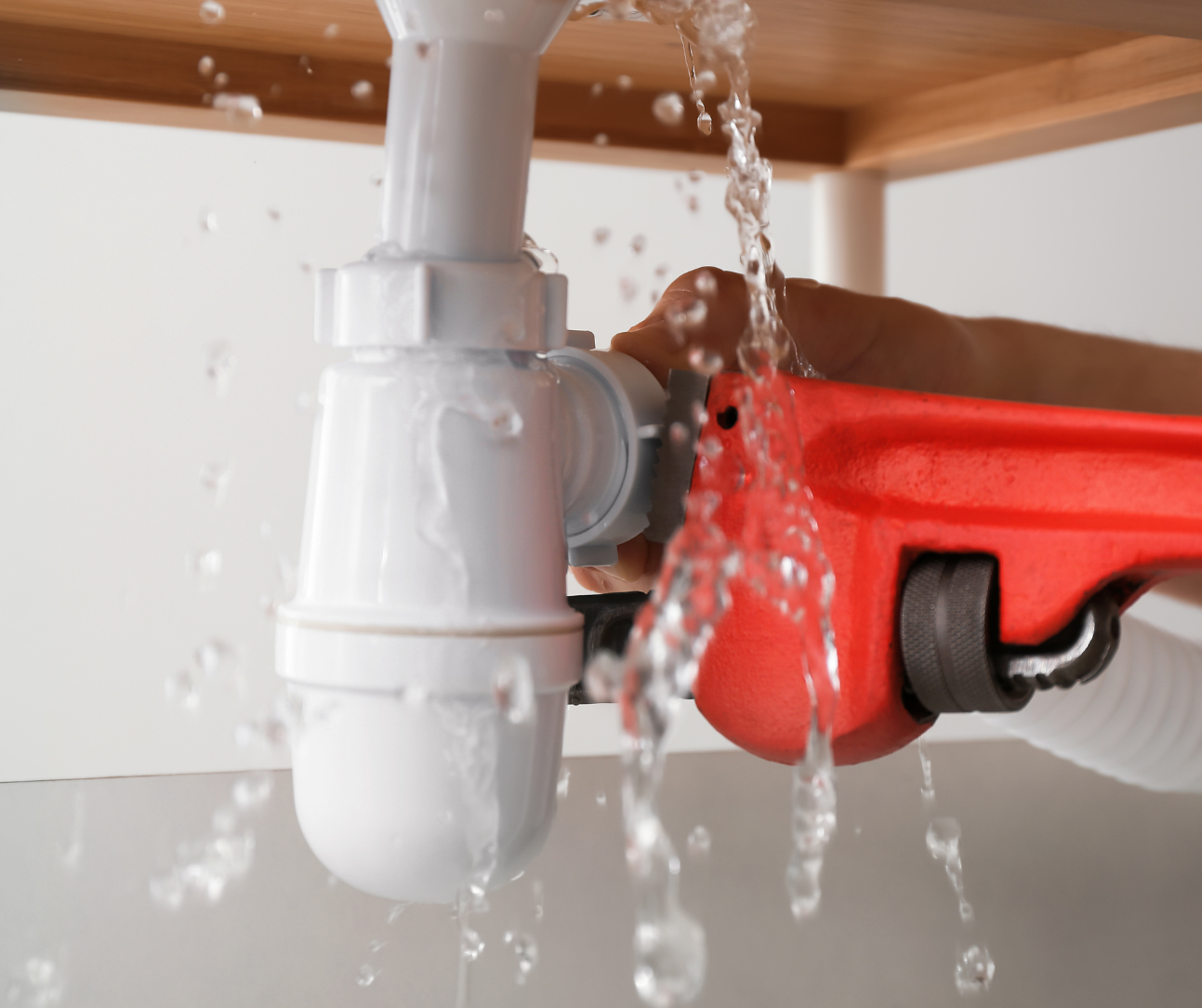
Small leaks like dripping taps, seeping under sink pipes and running cisterns might seem low priority, but they quickly drive up water bills and cause damage such as mould, rot and ruined cabinetry. This can also affect whether owners can legally pass water charges to tenants, so fixing them promptly protects the environment, the budget and the building.
#3: Hot Water System Failures
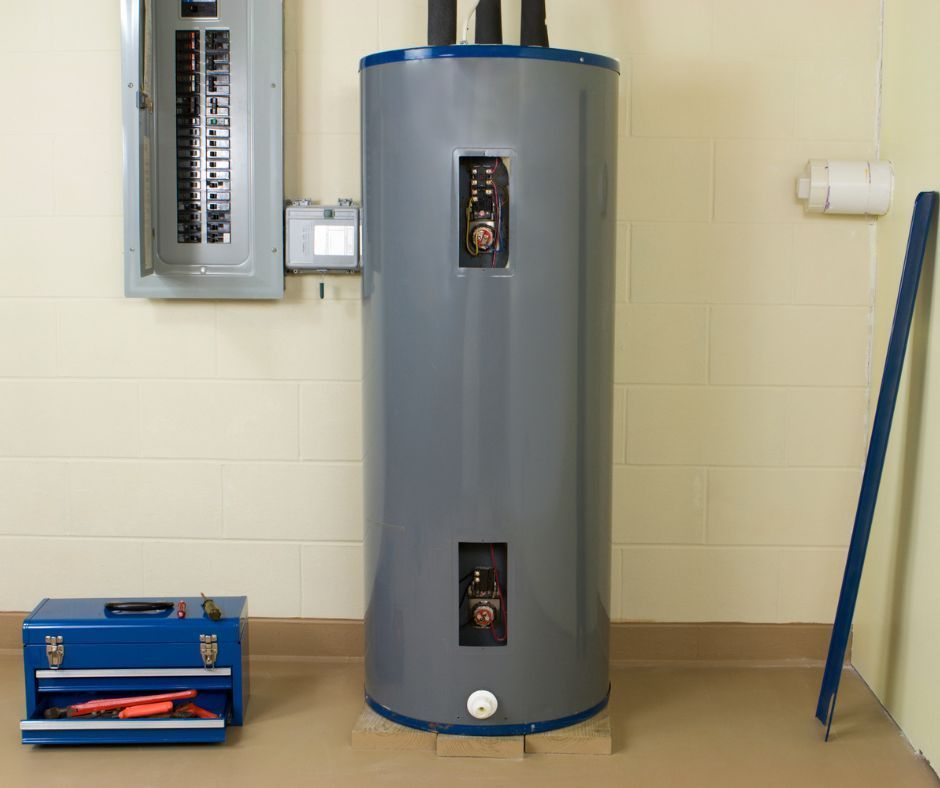
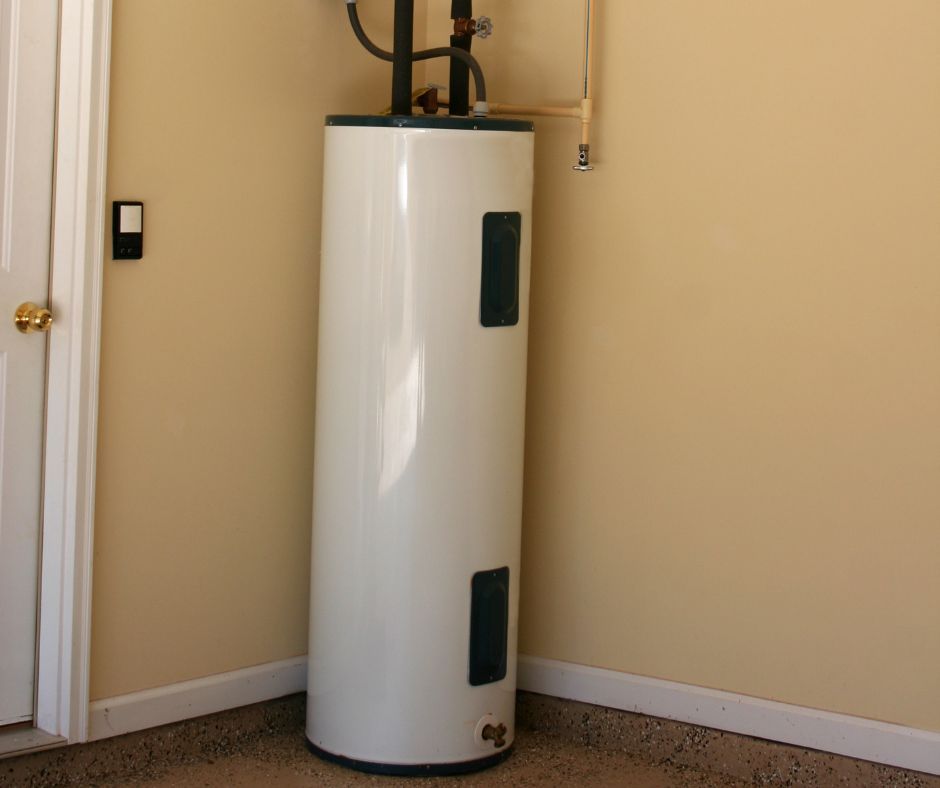
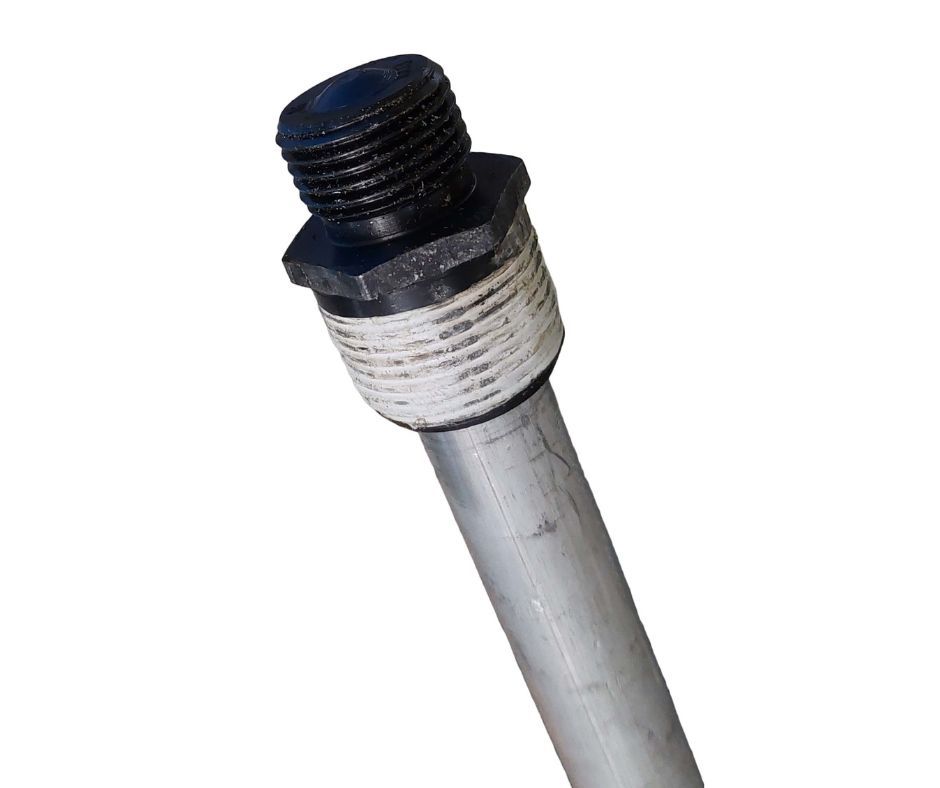
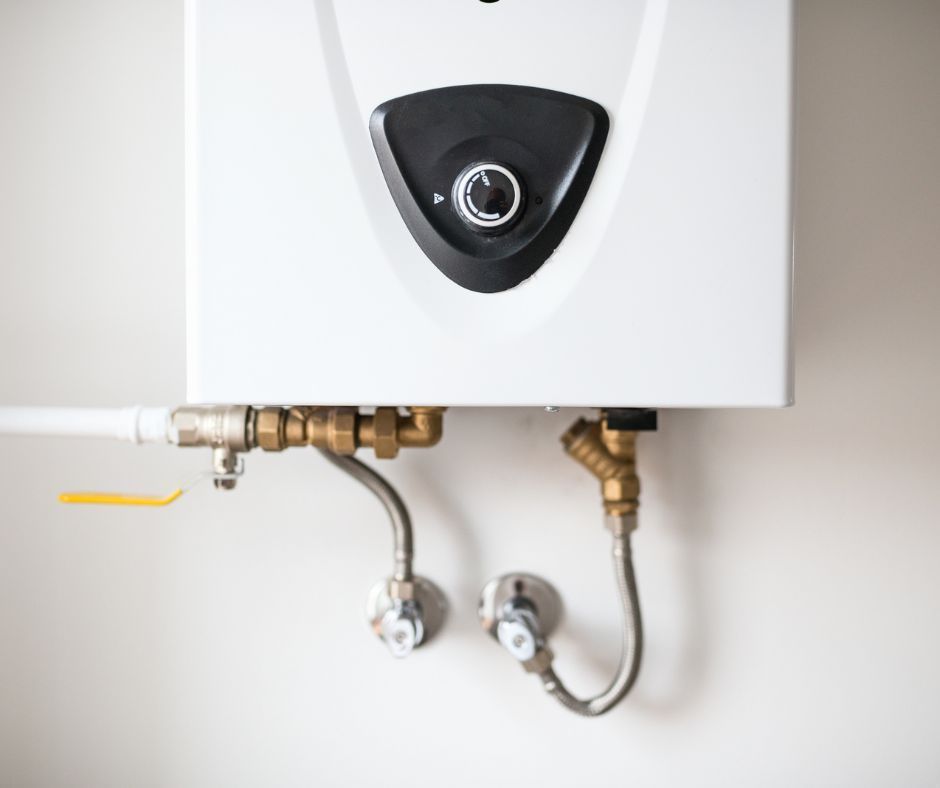
In rentals, loss of hot water quickly upsets tenants, and warning signs like fluctuating temperatures, rumbling noises, rusty water or frequent pilot light failures suggest the system is failing. Because hot water is an essential service, owners and managers are expected to act fast, so having a local, real-estate-savvy plumber on call saves time and stress.
#4: Pipe Corrosion, Water Pressure Issues & Old Materials
Many older Lake Macquarie homes still have outdated pipework that’s prone to pin-hole leaks, low water pressure and discoloured water. Signs like weak flow at several taps, brownish water or damp spots on walls often point to hidden pipe issues where, sooner or later, a full re-pipe becomes more cost-effective and appealing to buyers than constant patch-up repairs.
#5: External Plumbing, Stormwater & Drainage Problems
Lake Macquarie’s intense downpours put big strain on gutters, downpipes and stormwater drains, and poor drainage can quickly lead to pooling water, damp basements and even internal flooding. On sloping blocks, well-graded surfaces, clear drains and correctly connected stormwater are necessary, and overflowing gutters or downpipes near the house are major red flags for inspectors and insurers.
Spotting Problems Before They Turn Into Plumbing Issues in Real Estates
Pre-Inspection Checklist for Agents/Owners
During open homes, routine inspections or pre-settlement walk-throughs, build a simple habit list:
- Turn on taps and showers in kitchens, bathrooms and laundries, and check pressure and drainage
- Flush every toilet and listen for continual running or slow refilling
- Look under sinks and around vanities for moisture, swollen cabinetry or mould
- Walk around the exterior to check for obvious leaks at hose taps, hot water units and exposed pipes
Capturing these items in your inspection reports means fewer surprises after tenants move in or after contract exchange.
Red Flags to Escalate to a Plumber
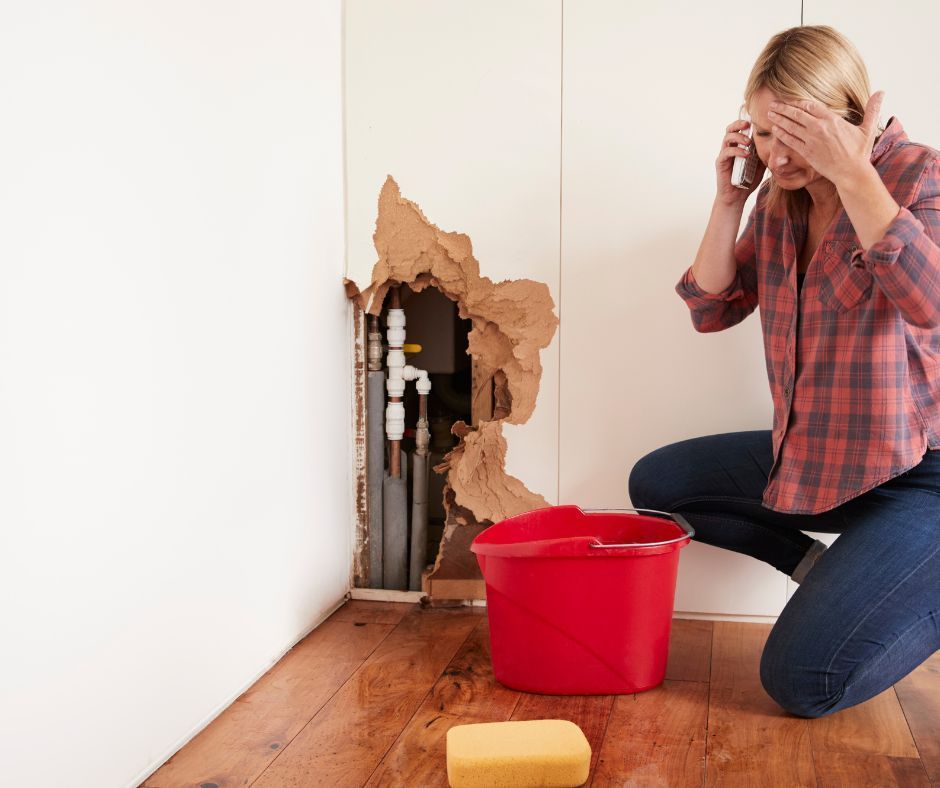
Some things should always trigger a call to your plumber: persistent slow drains, gurgling or sewer smells, visible water staining on ceilings, bubbling paint or sounds of running water when all fixtures are off. Early detection and escalation can be the difference between a $300 repair and a $10,000 insurance claim for soaked carpets and damaged joinery.
Tools & Simple Tests You Can Do
You don’t need to be a tradie to do some basic checks:
- After a tenant moves out, stand quietly inside and listen for hissing or running water.
- Read the water meter, ensure all taps and appliances are off, then re-check after 30–60 minutes. Movement may suggest a hidden leak.
- Keep a small flashlight in your inspection kit to check under sinks and in cupboards for dampness or fresh water marks.
These simple steps help you catch real estate plumbing problems before they become out-of-control maintenance jobs.

Staying Ahead of Real Estate Plumbing Problems
Scheduled Plumbing Maintenance Plans
For higher-turnover rentals or older homes, arranged annual or bi-annual plumbing checks can include drain jetting, hot water servicing and a quick inspection of visible pipework and fixtures.
Working with a local plumber who understands real estate cycles, like Down to Earth Plumbing Maintenance, allows you to plan works between tenancies and minimise downtime.
Tenant/Occupant Engagement
Tenants are your eyes and ears. Provide a simple “do and don’t” list at sign-up, such as no wipes, nappies or grease down drains; report drips or running toilets early; and send photos with maintenance requests.
Clear instructions and fast responses make tenants more likely to flag concerns before they escalate.
Upgrades And Asset-Management Considerations
Sometimes, it’s smarter to replace than to keep repairing. Replacing an old hot water system with a modern, efficient unit, upgrading to water-saving tapware or re-piping known problem lines can all reduce future call-outs and improve the property’s appeal. These upgrades can also be positioned as value-adds when marketing the property.
Collaboration Between Agents, Owners & Plumbers
The most efficient portfolios usually have a small, trusted panel of licensed plumbers who specialise in real-estate work, understand agency workflows, and can prioritise urgent jobs. Down to Earth Plumbing Maintenance, for example, has spent over a decade helping Lake Macquarie agencies with their real estate plumbing problem.
Clear agreements on response times, quoting processes and communication keep everyone aligned and reduce last-minute scrambles.
A Simple Response Plan When You Spot a Plumbing Problem
When an issue crops up, follow a calm, repeatable process so nothing gets missed:
- Take tenant complaints seriously, even if they seem minor at first read.
- Document everything, take photos, videos, the time and date of the report and any phone call notes.
- Assess the urgency and look if there’s active flooding, sewage or loss of essential services like hot water?
- Contact a licensed plumber immediately for anything urgent, health-related or where the cause or extent of the damage isn’t clear.
- Communicate clearly with owners, tenants and your trades so expectations and access are managed.
- Don’t delay action, especially on leaks, blockages and hot water failures.
- Use it as a value-add opportunity, think of early plumbing issue detection as a chance to protect the property, cut future repair costs and show how you’re actively safeguarding your investment.
- Updating maintenance records and keeping a clear history helps with future troubleshooting and adds value when it’s time to sell.
Plumbing Health = Property Health In Lake Macquarie
Plumbing is one of the most common and most overlooked risk areas in property management and sales. When you stay proactive, plan maintenance and respond quickly to real estate plumbing issues, you reduce stress for everyone involved and protect the long-term value of the asset.
Good plumbing is a sign of overall property health. Use the checklists in this guide at inspections, build strong relationships with local, down-to-earth plumbers, and treat plumbing not as a sunk cost, but as a lever for better rents, smoother leases and cleaner sales campaigns.
If you’re ready to tighten up how you handle plumbing issues in real estates, schedule an assessment with Down to Earth Plumbing Maintenance, who understands the real-estate lens and can help you turn reactive fixes into a proactive maintenance plan.
We also offer expert services for
blocked drains and
hot water systems, making us a reliable partner for keeping your Lake Macquarie properties running smoothly.
Key Takeaways
- Plumbing issues are a common but often overlooked risk in real estate, especially in older or high-turnover properties.
- Regular inspections and planned maintenance reduce costs, downtime and sale or lease risk.
- Agents who ask the right plumbing questions and document issues build trust with both owners and tenants.
- Proactive plumbing management and a reliable local plumber can be a genuine differentiator in a competitive property market.
Frequently Asked Questions
How do I know if a plumbing problem is urgent or can wait?
Treat anything involving sewage overflow, active flooding, a burst pipe, no hot water or loss of toilet function as urgent. These are typically considered “urgent repairs” and should be acted on immediately. Minor issues like a slow drip can wait a short time, but you should still log them and schedule repair before they worsen.
Does a leaking tap really matter in a rental property?
Yes. A leaking tap wastes water, can increase water bills and, over time, can damage sinks, vanities and surrounding joinery. In a water-conscious area like Lake Macquarie, fixing small leaks promptly also supports water-efficiency compliance and reduces future call-outs.
Can plumbing issues affect a property sale and how should I disclose them?
Plumbing problems can absolutely affect the sale price and buyer confidence. Visible staining, low pressure or known drainage issues will likely appear in building reports and can lead to re-negotiation. Best practice is to be transparent: keep records of repairs, provide quotes or invoices and disclose known issues through your selling agent or contract documentation.
How often should I schedule plumbing maintenance on my investment property?
For most Lake Macquarie properties, a general plumbing check every 12–24 months works well, with more frequent attention for older homes or those with a history of blockages or leaks. Routine inspections are a great time to combine plumbing checks with other maintenance tasks.
What can tenants do (and not do) to prevent blocked drains?
Tenants should avoid flushing wipes, nappies, sanitary items or cotton buds, keep food scraps, coffee grounds and fats out of kitchen sinks, and use hair catchers in showers. They should also report slow drains or smells early, rather than waiting until the system backs up. Simple education at lease-signing can prevent many real estate plumbing problems.
Should I replace an old hot water system or keep repairing it?
If your hot water unit is ageing, inefficient, regularly failing or showing rust and leaks, the cost of plumbing service or repairs can soon exceed the price of a new system. Investing in a modern replacement cuts tenant disruptions, reduces energy and water bills, and can make the property more appealing to future buyers.
What questions should I ask when hiring a plumber for real estate properties?
Ask whether they:
- Are fully licensed and insured
- Have experience with real estate agencies and tenancy legislation
- Offer fast response for urgent jobs
- Provide clear, written quotes and photo reports suitable for owners and insurance
Local specialists like Down to Earth Plumbing Maintenance, who work regularly with Lake Macquarie agencies, are familiar with the pace and documentation standards property managers need.
Are there water-efficiency upgrades that reduce future plumbing problems?
Yes. Installing water-saving taps, showerheads, dual-flush toilets and modern hot water systems can cut water usage and reduce stress on pipes and drains. Combined with regular maintenance, these upgrades can reduce future leaks and blockages while making the property more appealing to tenants and buyers.

Recent Posts