How Long Does a Hot Water System Last? Signs Yours Is on the Way Out
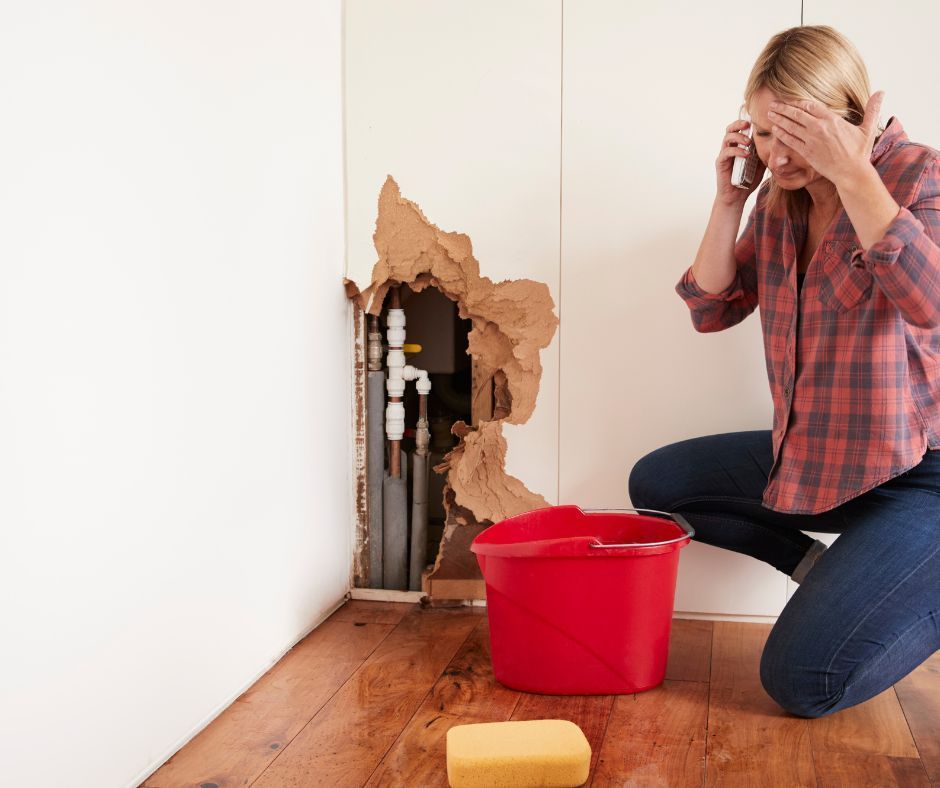
There is a particular kind of dread that comes with a cold shower on a frosty morning or spotting a puddle under the tank that was not there the day before. Hot water is one of those things nobody thinks about until it suddenly stops.
It raises a fair question, and one worth answering before your system forces it at the worst possible moment: How long does a hot water system last? The short answer is that most have a fairly predictable life, and they usually give off warning signs well before they quit for good. Spot those signs early, and a replacement becomes a planned purchase you can budget for, not an emergency that catches you out on a Sunday night.
How Long Does a Hot Water System Actually Last
Most hot water systems last around 8 to 15 years. The electric hot water system lifespan that applies to most homes around Lake Macquarie usually falls somewhere between 10 and 15 years, shaped by the tank itself, the local water, and how well the unit has been maintained.
Down to Earth Plumbing Maintenance, the local plumbing business run by Matt, has replaced plenty of ageing electric units across the area, and the pattern rarely changes. Age and upkeep decide the outcome far more than luck.
What matters is knowing where your unit sits in that range and reading the signs that it is nearing the end. If a system has stopped heating altogether rather than simply growing old, that points to a fault worth diagnosing first.
How Long an Electric Hot Water System Lasts
An electric storage system in an average household generally lasts around 10 to 15 years. That lines up with the range cited in government guidance on hot water systems, though it is best treated as a general guide. The hot water system lifespan you actually get moves up or down with the tank, the local water and the maintenance.
The single biggest factor is the tank, and specifically what it is lined with. That lining is what stands between the stored water and the steel, so it largely decides how long the unit survives before it starts to fail. As a rough guide:
| Tank type | Typical lifespan (general guide) | Note |
|---|---|---|
| Glass or enamel-lined tank | around 8 to 12 years | The common, more affordable option. The lining can degrade over time, especially in harder water. |
| Stainless steel tank | around 10 to 15 years or more | More resistant to corrosion and well-suited to coastal, salt air areas. Often the longer-lasting choice. |
Rheem, the brand Matt most often installs, offers a stainless steel option and is known for strong product warranties, which is part of why it suits homes near the lake and the coast. Worth remembering that these spans are general industry guidance rather than fixed numbers, so the warranty on your specific model is the figure to rely on.
What Affects Your Hot Water System Lifespan
A handful of things decide whether a system reaches the top of that range or falls well short of it:
Water Quality
Hard water speeds up tank corrosion, which is the leading reason a storage tank reaches the end of its life.
Usage
A unit sized for a couple but serving a family of six cycles far more often and wears out sooner.
Installation
A poorly installed system fails early, often through pressure problems or a strained tank.
Maintenance
This is the big one, and the difference between a tank that limps to 8 years and one that comfortably passes 15.
Get the maintenance right, and a system tends toward the upper end of its life. Neglect them, and it drops away quickly.
Signs You Need a New Hot Water System
Ageing systems rarely fail without notice. These are the signs you might need a new hot water, and the more of them you tick, the closer yours is to the end:
Age
Once a unit is more than 10 years old, it is on borrowed time and worth watching closely.
Rusty or Discoloured Water
This is a classic symptom of corrosion inside the unit, and it usually means the tank is rusting from within.
Hot Water Running Out Faster or Not Getting As Hot
Often, a failing element or thermostat, or heavy sediment buildup smothering the base of the tank.
Rumbling, Popping or Banging Noises
Usually indicates sediment shifting around on the tank floor as the water heats.
Water Pooling Around the Base
This often means the tank itself has given way, and at that point, it is rarely worth saving.
Rising Power Bills
With no change in how much hot water you use, a tired, sediment-laden tank works harder to heat the same water.
Repairs Stacking Up
When the callouts start coming thick and fast, a replacement is often the cheaper path in the long run.
One or two of these on an older unit is a fair warning. Several at once, and it is time to start planning.
How to Check the Age of Your Hot Water System
You do not have to guess how old your unit is. Almost every system carries a compliance plate, sometimes called the rating or data plate, usually fixed to the front or side of the tank. It lists the brand, the model, the manufacture date, and the serial number that encodes when the unit was built.
Here is the quick way to work it out:
- Find the plate on the body of the tank and give it a wipe if it is dusty or faded.
- Look for the manufacture date first. If there is only a serial number, the first few digits often carry the year and sometimes the month.
- Compare that against the 10 to 15-year guide. A unit near or past that mark, showing any of the signs above, is one to plan around.
If the plate has worn away or the numbers make no sense, that is fine. Matt can usually estimate the age from the model and the general condition of the unit.
How to Get More Years Out of Your Hot Water System
A storage tank is not a fit-and-forget appliance. A little upkeep can genuinely add years to your system's lifespan and push back the day you need a new one:
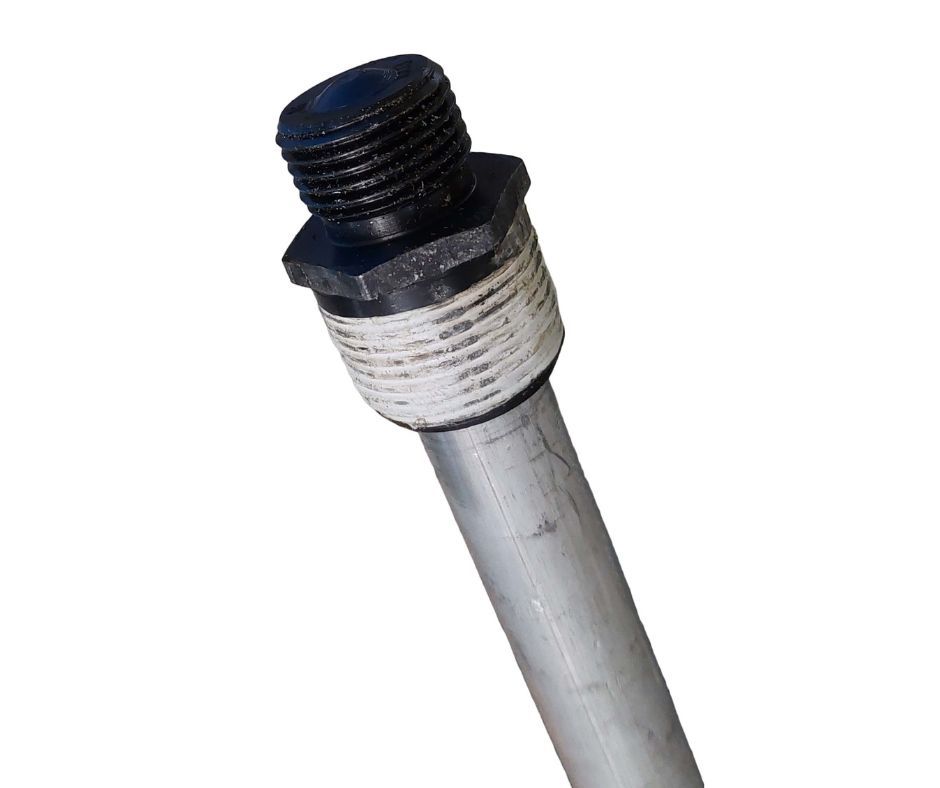
Check the Anode Rod
The sacrificial anode rod is the part almost nobody knows about. It slowly corrodes in place of the steel tank, taking the damage so the tank does not, and once it is spent, the tank starts to go. Having it looked at and replaced when needed is the best value job on the list.
Matt's rundown on the signs it is time to replace the anode will also help you determine when that is due.
Flush the Tank
Clearing sediment buildup from the base stops it from trapping heat and speeding up corrosion.
Have the Relief Valve Checked
The temperature and pressure relief valve is a safety device, so leave it to a licensed plumber rather than testing it yourself.
Book a Regular Service
A routine check catches small problems while they are still small and cheap.
As a general guide, the anode is inspected every few years and replaced periodically, though the right interval depends on your water and your unit rather than a fixed rule. Since hot water is one of the biggest energy users in the average home, a well-maintained system also quietly keeps your bills down.
Why Homes Around Lake Macquarie Can See Shorter Lifespans
The textbook figures assume average conditions, and homes around the lake and the coast do not always get them. Salt air is hard on metal, and a hot water unit sitting out in it can corrode on the outside faster than the same tank would inland.
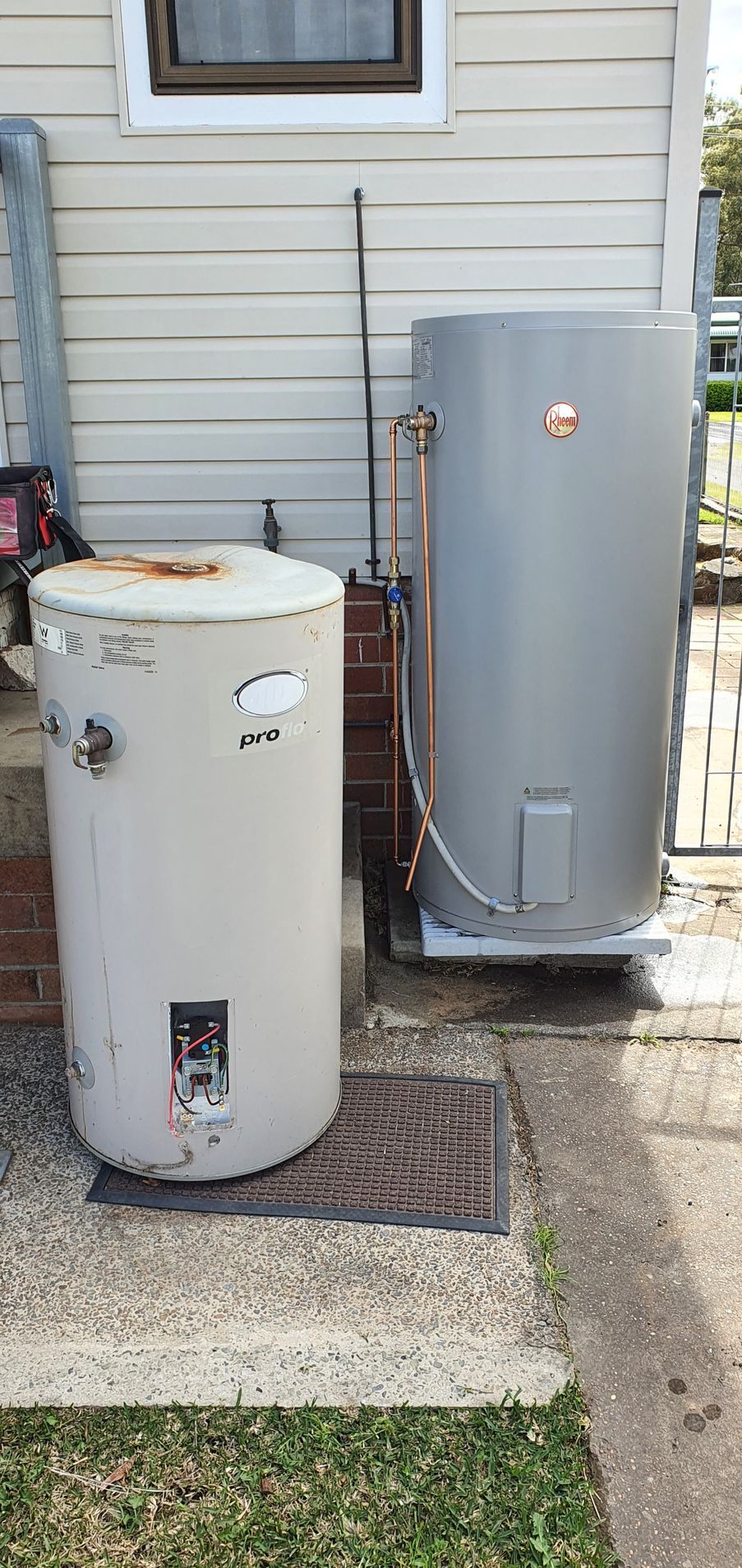
Placement matters just as much. A unit left sitting directly on the ground tends to rust from the base up, because moisture has nowhere to escape. Matt's habit for any replacement is to install the new unit up off the ground, and to check whether a better position would keep it drier and out of the worst of the salt air. On the most exposed sites, a stainless steel tank is often the smarter long-term choice for exactly this reason.
Plan Ahead & Protect Your Hot Water System Lifespan
Knowing roughly how long your system should last, and keeping an eye on the signs you need a new hot water system, is what turns a dreaded cold-shower morning into a replacement you plan and budget for on your own terms.
If your unit is getting on in years or showing any of the signs above, it is worth having someone take an honest look before it fails completely. Matt can assess whether there is life left in it or whether it is time to plan ahead, and talk through the right electric option for your home.
Have a look at the electric hot water systems Matt handles across Lake Macquarie, or get in touch for a straight answer.
Key Takeaways
- Most hot water systems last 8 to 15 years, and an electric storage system typically lasts around 10 to 15 years with good care.
- Corrosion is one of the main reasons a storage system reaches the end of its life, and local water quality and coastal conditions can speed it up.
- The clearest warning signs are age beyond 10 years, rusty water, running out of hot water, tank noises, leaks and rising bills.
- You can estimate your hot water system lifespan from the compliance plate on the unit.
- Checking the sacrificial anode rod and flushing sediment can add years to a tank's life.
- Spotting the signs early lets you budget for a planned replacement rather than face a cold-shower emergency.
Frequently Asked Questions
How long does a hot water system last in Australia?
Most last somewhere between 8 and 15 years. The exact figure depends on the type of tank, the quality of the local water, and how well the unit has been maintained. A well-looked-after system sits at the top of that range, while a neglected one can fail years earlier. Regular servicing is the single biggest thing that stretches a tank's life.
How long does an electric hot water system last?
An electric storage system generally lasts around 10 to 15 years. Water quality, household size and maintenance all move that up or down. Homes with hard water or heavy daily use tend to see the lower end of the range. Keeping up with servicing and anode checks is what pushes it toward the higher end.
Does a stainless steel tank last longer than a glass-lined one?
As a general guide, stainless steel tanks tend to resist corrosion better and often last longer than glass or enamel-lined tanks, which is why they suit coastal, salt air homes. Glass-lined tanks are usually more affordable up front, but the lining can degrade over time. The right choice depends on your budget and how exposed your site is. Matt can talk through which suits your situation on a replacement.
Should I replace a hot water system that is over 10 years old?
Age on its own is not a reason to rip out a working unit. A system past 10 years that is showing warning signs, though, is worth planning to replace before it fails. Getting in early means you choose the timing and the unit, rather than scrambling during a cold-water emergency. Whether to repair or replace comes down to the specific fault and the age together.
How do I know if my hot water system needs replacing?
Watch for rusty or discoloured hot water, running out of hot water sooner than usual, rumbling noises from the tank, leaks around the base, and power bills creeping up. Any of these on an older unit is a signal to have it checked. A single sign might just need a repair, but several together usually point to replacement. A licensed plumber can tell you which it is.
Why does my hot water run out so quickly?
It is often a failing heating element or thermostat, or a thick layer of sediment on the bottom of the tank, reducing how much water it can actually heat. On an older unit, it can also be an early sign the system is wearing out. It is worth having it looked at rather than just living with shorter showers. The fix might be simple, or it might be a nudge to start planning ahead.
How can I make my hot water system last longer?
The biggest levers are having the anode rod checked and replaced when needed, flushing sediment from the tank, having the relief valve tested by a licensed plumber, and booking a regular service. Together, these can add years to a tank's life. The anode, in particular, is cheap to replace and does a lot of quiet work. Skipping maintenance is the most common reason systems fail earlier than they should.
How do I find out how old my hot water system is?
Look for the compliance plate on the front or side of the tank. It usually shows a manufacture date, or a serial number that encodes the build year in its first digits. Compare that against the 10 to 15 year guide to see where your unit sits. If the plate is unreadable, Matt can help you estimate the age base from the model and condition.
Does living near the coast affect how long my hot water system lasts?
It can. Salt air is tough on metal and can corrode a unit's exterior faster than it would inland, and a tank sitting directly on damp ground rusts from the base up. Installing the unit off the ground and choosing a stainless steel tank both help on exposed coastal sites. It is one of the reasons placement is worth getting right at install time.
Is it worth repairing an old hot water system or should I replace it?
As a rough rule, a younger unit with a straightforward fault is usually worth repairing, while an older unit with a corroding or leaking tank is better replaced. Age and the nature of the fault need to be weighed together, along with how many repairs it has already had. Matt can give an honest read on which way to go rather than pushing a replacement you do not need.

Recent Posts