Low to No Hot Water Pressure? Common Causes & How a Plumber Fixes Them
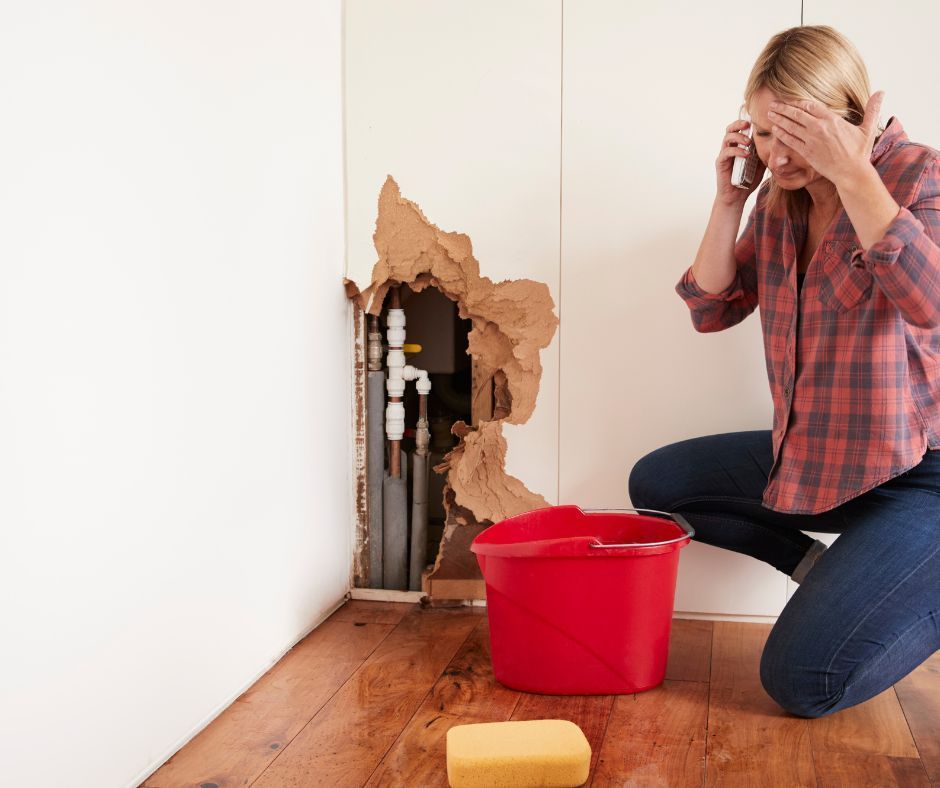
You turn the shower on, the cold side blasts out fine, but the hot barely dribbles. Or worse, you get nothing at all. It is one of the most annoying faults a home can throw at you, and it almost always shows up right when you are trying to get out the door.
Here is the reassuring part. When you have no hot water pressure but the cold water is running normally, the mains supply to your house is clearly fine. That points the finger squarely at your hot water system or the pipework attached to it, and that narrows things down a lot.
This guide walks through what actually causes the drop, what you can safely check yourself, and how a licensed plumber pinpoints and fixes it.
Why Is Hot Water Pressure Low or Gone But the Cold Is Fine?
When hot water pressure drops or disappears but the cold runs normally, the fault is almost always inside the hot water system or the pipes leading straight off it, not the main supply. The usual causes are a buildup choking the tank outlet, a partly closed or failing valve, corroded pipework, or a unit that has simply reached the end of its life. A quick way to tell how serious it is is to check for a slow decline over the weeks, which usually means sediment or corrosion, while a sudden case of no hot water pressure overnight often points to a valve that has closed or failed.
Matt, the licensed plumber behind Down to Earth Plumbing Maintenance, has been diagnosing this exact problem across the Lake Macquarie area since 2001. If the simple checks below do not sort it, hot water repairs and replacements are a day-to-day part of what he does.
First, Check This: Is It Just One Tap Giving Hot Water With No Pressure?
Before anything else, work out how widespread the problem is, because that single check narrows the cause more than anything else you can do.
Go to the tap where you noticed the issue. Run the hot, then run the cold at the same tap. Now do the same at every other tap in the house. If the cold is strong everywhere but the hot is weak or dead, the fault sits in your hot water circuit. If both hot and cold pressure are weak across the whole house, that is a different problem entirely.
There is one more clue worth noting. If only one tap or shower is weak, the cause is usually right at that fixture, not the system. If every hot tap is affected, the problem is back at the unit or the main hot water line.
| What you're seeing | Most likely cause | Who sorts it |
|---|---|---|
| Only one tap or shower is weak, the rest are fine | Blocked tap aerator or shower rose | You can, a little cleaning usually resolves it |
| Every hot tap is weak, but the cold is fine everywhere | Sediment in the tank or a failing valve | Licensed plumber |
| Pressure faded slowly over weeks or months | Sediment build-up or internal pipe corrosion | Licensed plumber |
| Hot water dropped or died suddenly overnight | An isolation or tempering valve that has closed or failed, or a burst | Licensed plumber, sooner rather than later |
| Weak hot flow with rusty water or a rumbling tank | An ageing tank corroding from the inside | Licensed plumber, likely a replacement |
The Common Causes of Low to No Hot Water Pressure at All
Once you know the fault is on the hot side, it comes down to a handful of usual suspects. Some are a quick fix, others require a licensed plumber. Here is what Matt looks for, roughly in the order he checks them.
Sediment Buildup in the Tank
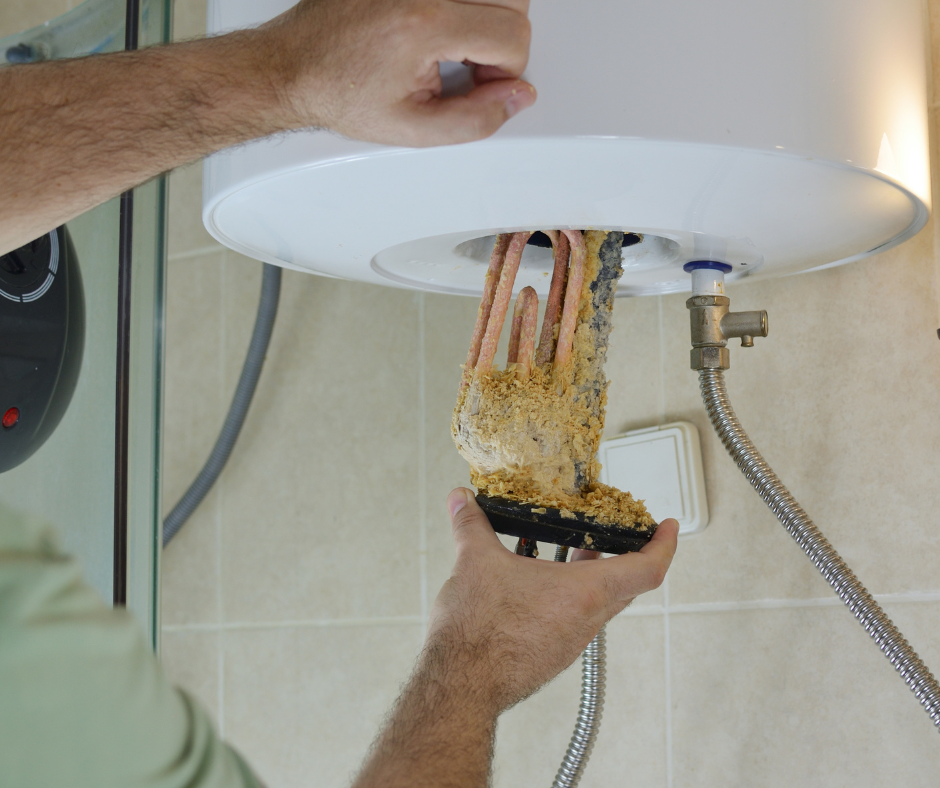
Over the years, minerals and grit settle in the bottom of a storage tank. As that buildup grows, it can partly block the hot water outlet and choke the flow, which is the classic cause of a slow decline in pressure rather than a sudden one. The fix is a professional hot water tank flush to clear the muck out, which often restores flow and takes load off the system at the same time.
A Failing or Blocked Tempering Valve
Most homes have a valve in their hot water system that mixes hot and cold to a safe delivery temperature before the water reaches your taps. The small filter inside it can clog, or the valve itself can fail, and when that happens, hot flow can drop away sharply. It is a common culprit and a straightforward one for a plumber to test and replace.
A Partly Closed or Faulty Isolation Valve
There is a valve on the cold feed going into the unit, and it needs to be fully open for the system to work. It can get knocked, left partly closed after other work, or seize up internally, all of which strangle the supply before it is even heated. If a lever handle is sitting across the pipe rather than in line with it, that alone can be the whole problem.
A Failing Pressure-Limiting Valve
This valve protects your pipes and appliances from high incoming pressure. As it ages, its internal parts can wear or clog and start restricting flow far more than they should, which shows up as weak hot water. This is not a part to tamper with yourself, as it needs to be tested and set correctly.
Blocked Tap Aerators or Shower Heads
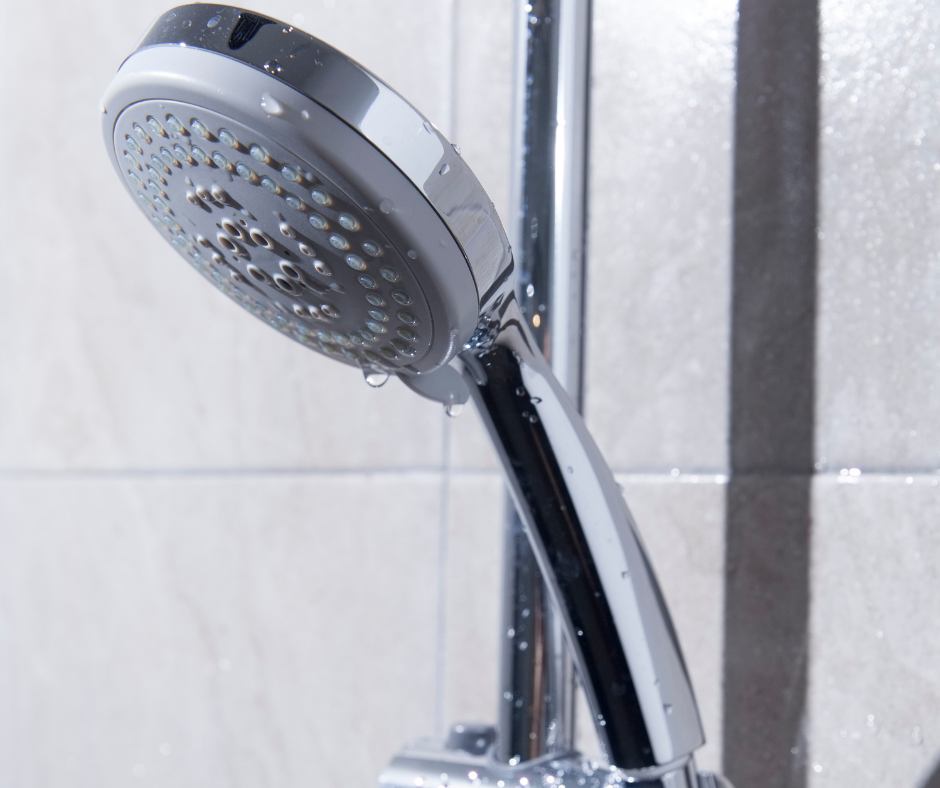
When only one fixture is weak, and the rest are fine, the cause is often grit and mineral scale trapped in the tap aerator or shower rose. This is the easiest thing on the list to check and clear. Unscrew the aerator or shower head and soak it in white vinegar to dissolve the buildup, then rinse and refit it.
Corroded or Old Pipes
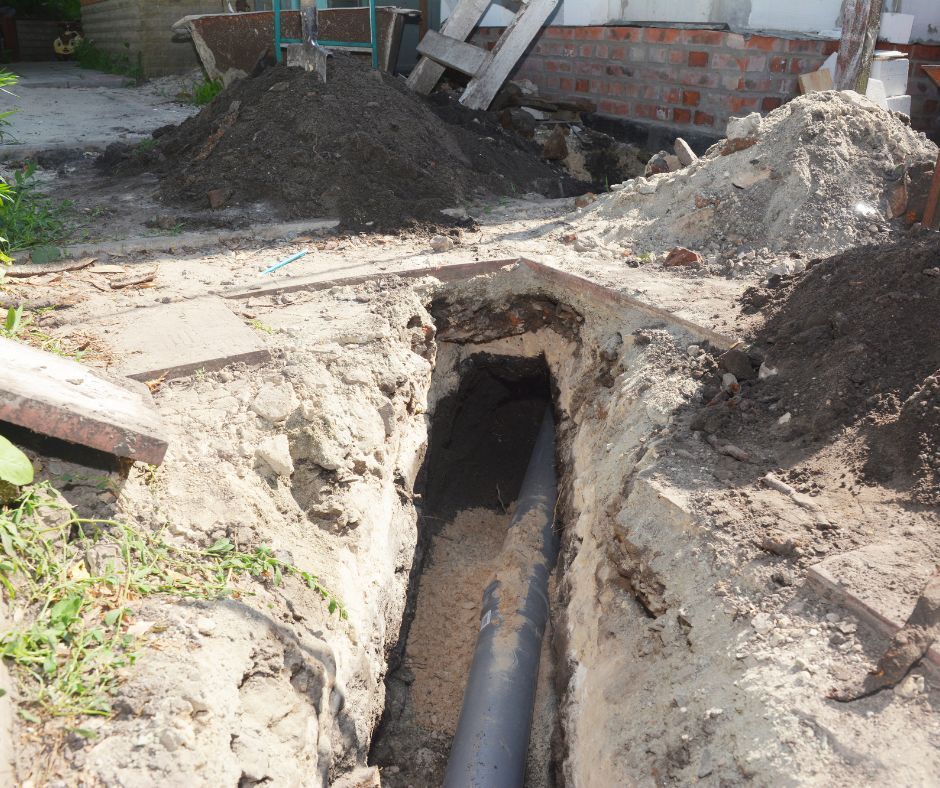
Older galvanised steel pipes corrode from the inside out, narrowing the passage and shedding rust that clogs valves and the unit inlet. Around here, some older properties also have C-grade copper that develops pinhole leaks, and once corroded pipes are cut and patched, they often weaken either side of the repair. The long term fix is replacing the affected run with B-grade copper or a plastic pipe system rather than patching it again and again.
An Ageing Hot Water System
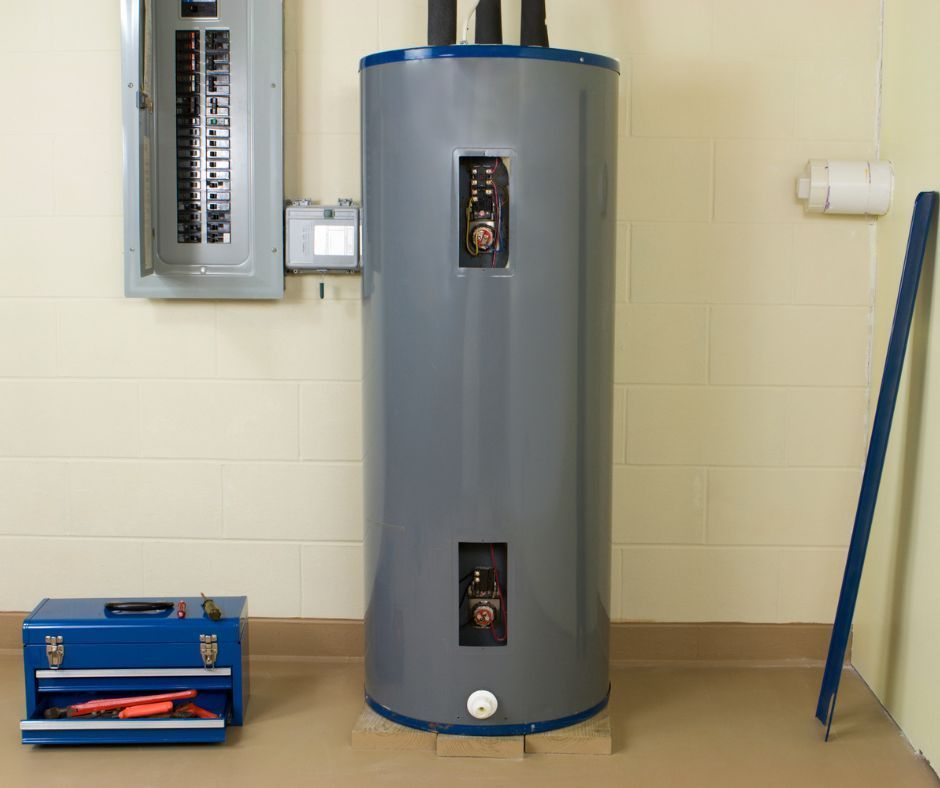
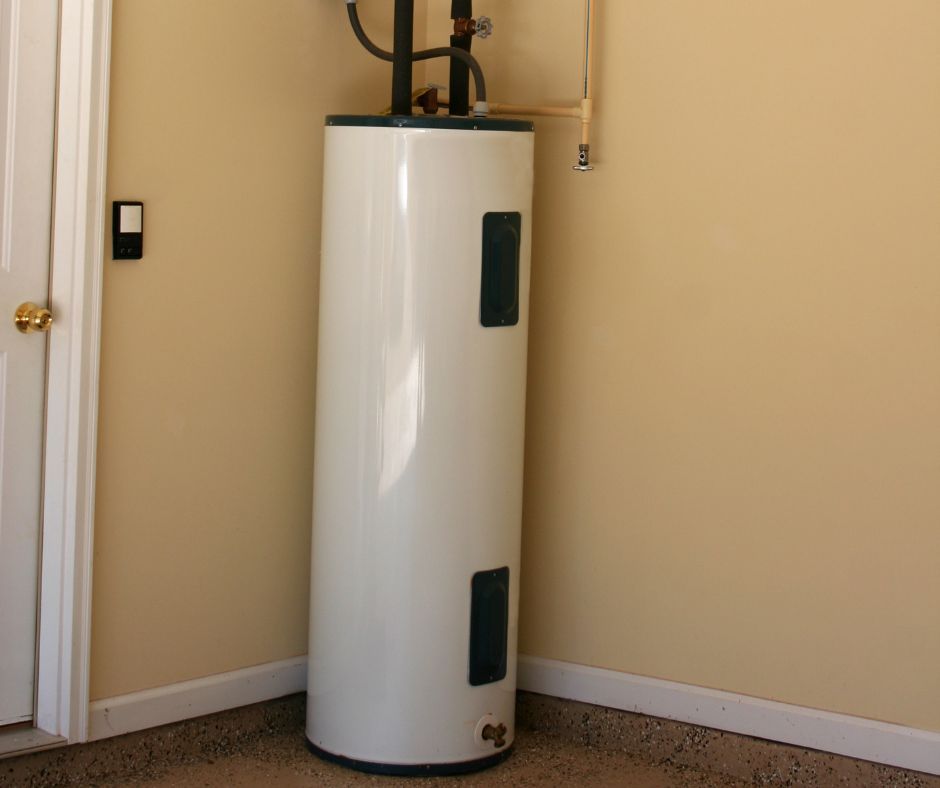
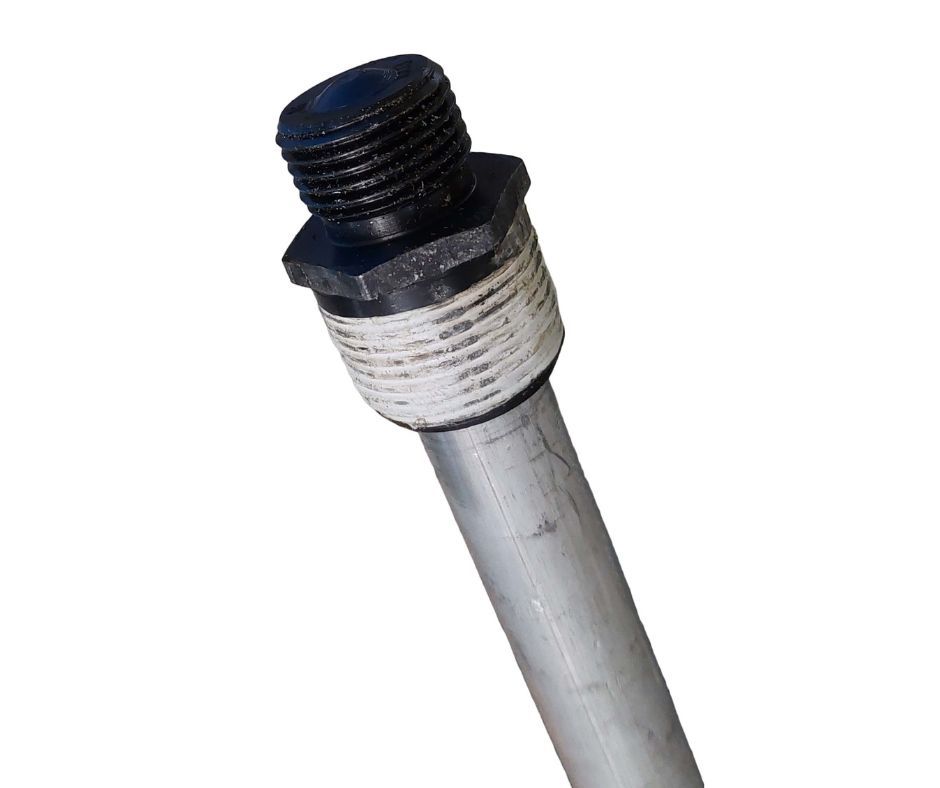
Sometimes it is simply the age. A unit that is delivering weak flow, running rusty, or leaking may be near the end of its life, and at that point, you can be left with no hot water or pressure at all. Storage systems generally last somewhere in the range of 8 to 12 years as a rule of thumb, not a fixed figure, so if yours is in that bracket and playing up, it is worth getting it assessed. A worn sacrificial anode is a common reason a tank starts to corrode from the inside, and checking it is part of good maintenance.
Sudden Loss or a Slow Decline?
The timing of the drop tells you a lot about the cause, and it is something worth paying attention to before you call anyone.
A sudden hot water with no pressure situation, where it worked yesterday and today there is nothing, usually points to a valve that has closed or failed, or in rarer cases, a burst somewhere in the hot line. That is the more urgent scenario and worth acting on quickly. A gradual fade over weeks or months is far more likely to be sediment or slow corrosion doing its work quietly. It is less of an emergency, but it will not fix itself and tends to get worse, so it is still worth sorting before it becomes a bigger repair.
What You Can Safely Check & When to Call a Plumber
There is a clear line between the checks a homeowner can safely do and the work that needs a licence. Staying on the right side of it protects you, your home, and your insurance.
Safe to do yourself is to compare the hot and cold flow at each tap, confirm the isolation valve on the unit is fully open without forcing a seized one, and clean a single blocked aerator or shower rose with a vinegar soak. That is genuinely useful, and it also helps Matt work faster if he does need to come out.
Leave it to a licensed plumber if you need to flush the tank, test or replace the valves. In NSW, this is licensed work for good reason, as getting it wrong risks scalding, flooding and voided insurance. Stop and call straight away if you notice a sudden total loss with no obvious cause, water pooling at the base of the unit, rumbling or banging from the tank, or rusty and discoloured hot water.
How Matt Diagnoses & Fixes Hot Water Pressure Problems
The professional process is methodical, not guesswork. Matt starts by confirming whether the fault really is on the hot circuit, then works through the valves in a logical order and tests the pressure at different points to find exactly where the flow is dropping away. Only then does the right fix become clear, whether that is cleaning or replacing a valve, flushing the tank, or replacing a corroded section of pipework or the unit itself.
From there, it is about honest options. Matt will tell you what the fix involves, give you a clear price before starting, and flag anything on its last legs so you can plan for it rather than being caught out later. No pressure to replace something that has years left in it, and no surprises on the bill.
What the Australian Standards Say About Pressure & Temperature
Two Australian standards sit behind a lot of these faults, and they explain why some of the parts above exist in the first place. Under AS/NZS 3500.1, referenced in the Plumbing Code of Australia, the maximum static pressure at any outlet inside a home must not exceed 500 kPa.
The other is delivery temperature. AS/NZS 3500.4 requires heated water to reach bathroom and personal hygiene fixtures at no more than 50 degrees, or 45 degrees in settings like aged care and schools. Water is generally stored hotter, at 60 degrees or above, to keep bacteria in check, then tempered down at the valve. When that valve clogs or fails, both your temperature and your flow can suffer.
No Hot Water or Pressure? Let's Get It Flowing Again
No or low hot water pressure with a healthy cold supply nearly always traces back to the hot water system, and the specific cause determines the fix. Knowing whether it is one tap or the whole house, and whether the drop was sudden or gradual, gets you most of the way to understanding what is going on.
Run the safe checks first. If the pressure is still down to a trickle, Matt can diagnose it properly and get things flowing again. You are welcome to get in touch for a straight answer and a fair price.
Key Takeaways
- Strong cold water but weak or no hot water points to the hot water system, not the mains supply.
- The usual causes are sediment buildup, a failing valve, corroding pipes, or an ageing unit.
- One weak tap usually means a blocked aerator or shower rose, while every hot tap points to the system.
- A sudden total loss is often a valve or a burst and is more urgent, while a gradual trickle is usually sediment or corrosion.
- Cleaning an aerator is safe to do yourself, but flushing the tank and replacing valves are licensed plumber work.
- Rusty hot water, pooling at the unit, or rumbling noises mean it is time to stop and call a plumber.
Frequently Asked Questions About Hot Water Pressure
Why is my hot water pressure low, but my cold water is fine?
Because the mains supply is clearly working, the fault is on the hot side. The most common reasons are a buildup choking the tank outlet, a failing tempering or pressure-limiting valve, or corrosion inside older pipework. A plumber can pinpoint which one it is by testing the hot circuit.
How do I fix no hot water pressure?
Start with the safe checks. Compare hot and cold flow at each tap, make sure the valve on the unit is fully open, and clean any blocked aerator or shower rose. If those do not restore flow, the cause is deeper in the system and needs a licensed plumber to flush the tank or test and replace a valve.
What would cause my hot water to suddenly lose pressure?
A sudden drop usually means a valve has closed or failed, or, in less common cases, a burst in the hot water line. Because it can point to a more serious fault, a sudden loss is worth acting on quickly rather than waiting to see if it comes good.
Why do I have hot water but no pressure in the shower only?
When just the shower is affected, the cause is almost always a blocked shower rose or a water-saving head, not a system fault. Unscrew it, soak it in white vinegar to clear the mineral buildup, then refit it and test the flow again.
Can low hot water pressure fix itself?
Generally no. Sediment and corrosion only get worse over time, and a faulty valve will not repair itself, so a genuine drop in pressure is worth diagnosing early before it turns into a larger job.
Is low hot water pressure a sign my system is failing?
It can be, especially if it comes alongside rusty water, banging noises, or visible leaks at the unit. Age matters too. If the system is well into the typical 8 to 12 year range and showing these signs together, it may be nearing the end rather than needing a simple repair.
Can I flush the hot water tank myself?
It is best not to. Done incorrectly, a flush can cause scalding or damage the unit, and handling the valves incorrectly can create leaks. It is licensed work, and a plumber will do it safely and check the valves and anode while they are there.
Does cold weather affect hot water pressure?
Not usually. Cold snaps can expose a system that was already marginal, or make a slow reheat more noticeable, but the underlying causes are the same sediment, valve and corrosion issues. Sometimes, there is genuinely no hot water or pressure simply because an ageing unit is struggling under heavier winter demand.
How much does it cost to fix low hot water pressure?
It depends entirely on the cause, from a few minutes of cleaning an aerator through to replacing a valve or a section of pipe. Matt offers free quotes on larger jobs and gives a clear breakdown of call out, labour and materials before starting, so there are no surprises.
Should I repair or replace an older hot water system with pressure problems?
If the unit is relatively young and the fault is a single valve or a flush, repair is usually the sensible call. If it is older, corroding and giving trouble across several fronts, putting money into repairs can be a false economy, and a proper assessment will tell you which way makes more sense.

Recent Posts